Can a Diesel Truck Fail an Emission Test Without Producing Visible Black Smoke?
 Matt Brandt
Today 9:43 AM
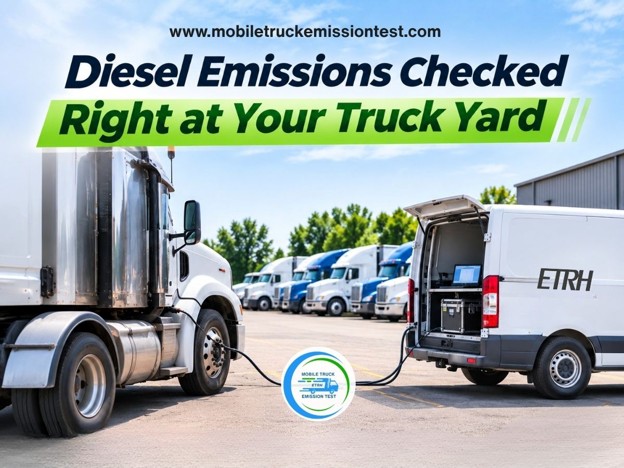
A diesel truck can fail an emission test without releasing visible black smoke. Ontario's DriveON program checks measured exhaust opacity and, on certain vehicles, electronic emissions data. Hidden engine faults, diagnostic trouble codes, or readings above legal limits can affect the results. Understanding these checks helps truck owners identify problems before they interrupt registration renewal or business operations.
Clear Exhaust Doesn't Always Mean a Clean Test
Your diesel truck starts without trouble, runs smoothly, and leaves no thick black cloud behind it. Everything seems normal until the emission test report shows a failure. How can a truck that looks clean still have an emissions problem?
The answer lies in how Ontario measures diesel exhaust. Inspectors don't simply watch the tailpipe and decide if the smoke looks acceptable. Approved testing equipment measures exhaust opacity, while certain trucks also undergo electronic diagnostic checks.
A vehicle can appear perfectly normal to its driver yet fail one of these checks. Understanding what the equipment detects makes the result less confusing.
What Does a Diesel Emission Test Actually Measure?
Diesel exhaust contains tiny particles produced during combustion. Some affect how much light can pass through the exhaust stream, even when a driver doesn't notice an obvious cloud.
An opacity test measures how much light the exhaust blocks. A higher percentage indicates more light is being obstructed.
Ontario uses a snap-acceleration procedure based on SAE J1667 for heavy-duty diesel opacity testing. The engine is accelerated under controlled conditions while equipment records the exhaust readings.
A truck may look relatively clean during ordinary driving but produce a reading above the permitted limit during testing. Visual appearance and measured opacity aren't interchangeable.
Ontario's Smoke Limits Depend on the Model Year
Older and newer diesel vehicles don't all face the same opacity standards. Ontario sets different limits based on the vehicle's model year.
Current provincial requirements generally specify:
- 1990 and older: 40% opacity, except school buses, which have a 30% limit.
- 1991 to 2007: 30% opacity.
- 2008 to 2010: 20% opacity.
- 2011 and newer: 10% opacity.
A 2015 diesel truck must meet a stricter smoke opacity limit than a 2005 model. These percentages measure how much light the exhaust blocks, not the amount of pollutants it contains. Ontario's commercial vehicle emissions guidance outlines the applicable standards and testing requirements.
Your Truck's Computer May Reveal Another Problem
Modern diesel trucks use electronic systems to monitor engine performance and emissions controls. Some vehicles undergo an on-board diagnostic (OBD) test, which checks the truck's computer for emissions-related faults that may not produce visible smoke.
Under Ontario's DriveON program, certain diesel vehicles from model year 2007 onward, with a gross vehicle weight rating of 6,350 kilograms or less, require OBD testing. A truck may pass the smoke opacity test but fail the diagnostic check if it doesn't meet the applicable requirements.
Problems That May Stay Hidden Behind Clear Exhaust
A modern truck can experience emissions-control trouble without producing dramatic smoke. Several components deserve attention when diagnostic results point toward a malfunction.
- Diesel Particulate Filter Issues
The diesel particulate filter, or DPF, traps soot particles before they leave the exhaust. Over time, soot accumulation, regeneration problems, or sensor faults may affect how the system operates. Depending on the vehicle and applicable testing requirements, related diagnostic faults can influence the result.
- Exhaust Gas Recirculation Faults
The exhaust gas recirculation system, known as EGR, routes some exhaust gases back into the engine to help reduce nitrogen oxide emissions. A faulty valve or related sensor may interfere with emissions control. The engine may continue running even though its monitoring system detects a problem.
- Sensor or Wiring Problems
Diesel emissions systems depend on electronic sensors to track operating conditions. A damaged connection or failing sensor can trigger an emissions-related trouble code. Diagnosing the actual cause is important because replacing parts without testing may leave the underlying issue unresolved.
Why the Check Engine Light Matters
The check engine light is easy to dismiss when a truck still performs normally. However, the vehicle's computer may have detected an emissions-related malfunction. On trucks subject to OBD testing, qualifying active trouble codes can cause the diagnostic portion to fail.
A warning light alone doesn't establish the exact fault. Technicians need to examine the stored information and applicable test results. Simply clearing a code before inspection isn't a dependable solution. The underlying fault may return, and clearing codes can reset diagnostic readiness monitors.
Some Trucks Cannot Begin Testing Until Other Problems Are Fixed
Not every unsuccessful inspection begins with a failed opacity reading. Ontario requires technicians to complete a preliminary check, and certain vehicle problems can prevent the emissions measurement from taking place.
Common reasons include:
- Exhaust leaks that interfere with testing or create unsafe conditions.
- Missing or poorly fitted caps on fuel or diesel exhaust fluid tanks.
- VIN discrepancies between the vehicle and its registration documents.
- Engine governor faults that prevent the prescribed testing procedure.
- Unsafe vehicle conditions that could endanger the technician or damage equipment.
An emission test VIN check in Ontario helps confirm that the inspection record matches the correct truck. Operators should verify their vehicle documents and address known defects before arriving for testing.
Where Does DriveON Fit Into the Process?
Ontario uses DriveON to manage regulated vehicle safety and emissions inspections.
An authorized DriveON vehicle inspection centre or appropriately licensed DriveON technician can conduct applicable testing using approved procedures and equipment.
Vehicle information, inspection findings, and test results are recorded through the program.
It's also important to distinguish emissions testing from a commercial vehicle inspection focused on mechanical safety. A truck may satisfy one requirement while still needing attention under the other.
Brake condition, steering, tires, and other mechanical safety items belong to a different inspection process from exhaust opacity and emissions-related diagnostics.
What Happens After a Failed Diesel Emissions Test?
A failed emissions test doesn't necessarily mean the entire exhaust system needs replacing. The inspection report identifies which part of the assessment didn't meet Ontario's requirements, helping a qualified technician investigate the problem.
The technician may use diagnostic equipment to pinpoint the fault and recommend suitable repairs. Once the issue is corrected, the truck can return for another emissions test to confirm it meets the applicable standards.
Ontario generally requires a passing emissions result before registration renewal for commercial diesel vehicles subject to testing. A passing emissions report is typically valid for 12 months, although specific renewal requirements depend on the vehicle's classification and registration details.
What Fleet Operators Can Do Before Testing Day
An unexpected inspection failure can disrupt deliveries and leave vehicles unavailable for work. Fleet managers can reduce these risks by keeping vehicle records organized and reviewing maintenance concerns before testing.
Engine warning lights, incomplete DPF regeneration cycles, and exhaust leaks deserve attention before an emissions inspection. Addressing these issues early may help prevent avoidable delays and costly repairs.
Previous inspection reports can also reveal recurring problems or changes in vehicle performance. Reviewing these records alongside driver feedback helps fleet operators prepare more effectively and keep their trucks ready for daily operations.
Beyond the Smoke Reading: Questions worth Answering
Q1. Can a diesel truck fail an opacity test without a check engine light?
A1. Yes. Opacity testing measures exhaust smoke density independently of dashboard warning lights. A truck can exceed its permitted opacity limit without displaying an engine warning.
Q2. Does a newer diesel truck always need an OBD test in Ontario?
A2. No. OBD requirements depend on the model year and gross vehicle weight rating. Not every heavy-duty diesel truck undergoes this part of the inspection.
Q3. Can cold weather affect diesel exhaust appearance?
A3. Yes. Water vapor may appear more noticeable in cold air. Its appearance alone doesn't establish an emissions failure, and the official test follows prescribed procedures.
Q4. Does a failed emission test mean the DPF must be replaced?
A4. No. Many possible faults can affect emissions performance. Proper diagnosis is needed before deciding if filter replacement, another repair, or no component replacement is appropriate.
Q5. Can a truck pass emissions testing after engine repairs?
A5. Yes, provided it meets all applicable requirements during the new test. Completing repairs doesn't automatically guarantee a passing result.
Q6. Is a vehicle identification number required during a DriveON inspection?
A6. Yes. The VIN identifies the vehicle and must match the relevant documentation. A missing or mismatched VIN can prevent heavy-duty diesel emissions testing from proceeding.
Q7. Are commercial diesel emission tests required everywhere in Ontario?
A7. Provincial emissions rules apply across Ontario to vehicles that meet the relevant requirements. Testing obligations depend on vehicle characteristics and registration circumstances.
Q8. Can mobile emissions testing be performed at a fleet yard?
A8. Yes. Authorized mobile providers can perform eligible diesel emissions inspections at suitable locations, subject to applicable testing and safety requirements.
Clear Exhaust Is Only Part of the Picture
A truck's exhaust may look clean, but test readings reveal what the eye cannot. If a vehicle fails, identifying the specific issue helps determine the next steps.
Mobile Truck Emission Test provides on-site diesel emissions testing at fleet yards and suitable locations across the Greater Toronto Area. This helps operators reduce unnecessary trips and disruptions when several trucks need testing.
Before arranging an inspection through Mobile Truck Emission Test, keep vehicle permits and relevant maintenance records ready. These details can help make the testing process smoother.
Comments